Executive Gastronomy: Selecting the Best Executive Dining Spots United States
Executive dining serves as a critical spatial medium where strategic corporate alignment, client acquisition, and high-stakes deal negotiations occur outside formal boardrooms across the United States. While digital communication channels streamline routine operations, physical hospitality venues remain essential for building trust, evaluating partner integrity, and finalizing complex commercial agreements. However, selecting an appropriate executive dining venue involves balancing culinary excellence against crucial operational parameters. Without structured venue selection standards, corporate dinners can suffer from intrusive ambient noise, poor table spacing, and compromised conversational privacy.
Evaluating high-level commercial dining options demands a rigorous analytical framework rather than relying on consumer restaurant reviews or Michelin star rankings alone. Enterprise hosts require predictable service pacing, discreet staff management, controlled acoustic environments, and seamless direct-billing integrations. Consequently, corporate executive assistants, event managers, and commercial leaders must establish precise evaluation frameworks to identify high-performing dining locations.
This comprehensive guide serves as an authoritative reference for selecting executive dining venues across major United States economic centers. By analyzing venue categories, spatial dynamics, risk management controls, and financial governance protocols, this document provides actionable insights for corporate decision-makers. Organizations can apply these frameworks to ensure executive dining investments deliver measurable commercial returns while protecting corporate confidentiality.
Understanding best executive dining spots united states
Understanding what defines the best executive dining spots united states requires evaluating commercial hospitality spaces through multiple strategic and operational perspectives. Corporate finance managers prioritize clear pricing transparency, pre-negotiated master billing accounts, and tax compliance. Meanwhile, executive hosts and guests focus on acoustic isolation, professional service discretion, meal pacing, and menu versatility.
Defining Strategic Hospitality Standards
At an enterprise level, identifying top-tier executive dining venues involves matching physical venue features with the specific objectives of a business meeting. A restaurant suitable for celebrating a team milestone may fail to protect confidential conversations during a sensitive merger negotiation. Therefore, evaluating executive venues requires assessing table placement, room acoustic treatment, and staff service protocols.
Avoiding Contextual Oversimplifications
Relying on consumer review platforms or food critic guides introduces hidden operational risks for business hosts. Consumer platforms emphasize experimental menus, trendy atmosphere, and vibrant dining rooms, which often create noise and distractions. True executive dining evaluation prioritizes operational reliability, conversation privacy, and consistent service execution.
Deep Contextual Background
Evolution of Corporate Dining in the United States
Historically, executive dining in the United States centered around private city clubs and traditional steakhouses located within financial districts. These legacy venues provided high privacy, predictable menus, and exclusive access for corporate leaders.
Shift Toward Fine Dining and Modern Gastronomy
During the 2000s and 2010s, executive dining shifted toward high-profile fine dining restaurants and chef-driven concepts. While these venues offered impressive menus, their open kitchen designs and hard architectural surfaces increased ambient noise levels significantly.
Modern Privacy-Focused Hospitality Frameworks
Modern executive dining relies on dedicated private dining rooms, advanced acoustic engineering, flexible tasting menus, and digital payment integrations. Today, top executive venues feature private entrances, soundproof walls, and dedicated sommelier teams. Consequently, corporate travel and event managers evaluate dining venues as secure extensions of the corporate boardroom.
Conceptual Frameworks and Mental Models
The Hospitality Yield Matrix
The Hospitality Yield Matrix evaluates executive venues by comparing conversational privacy yield against total dining expenditure. High-yield venues feature private dining rooms, acoustic wall treatments, widely spaced tables, and professional staff. Execution costs measure food and beverage minimums, room rental fees, and time lost traveling to remote locations.
Balancing Venue Features and Expense Budgets
Applying this matrix helps organizations select venues that support productive business discussions without inflating hospitality budgets. High-yield private suites receive booking priority for sensitive board negotiations. Conversely, standard business dinners utilize quiet main dining rooms with generous table spacing to maintain fiscal discipline.
The Acoustic Distraction Curve
The Acoustic Distraction Curve demonstrates how ambient restaurant noise impacts business conversations. Hard floor surfaces, open kitchens, and loud background music force guests to raise their voices, making sensitive business discussions difficult.
Enforcing Acoustic Standards
Selecting venues with low ambient noise represents a critical requirement for successful executive dining. Corporate guidelines should favor venues with acoustic ceiling panels, carpeted floors, and well-spaced tables to support clear, private conversation.
The Service Discretion Balance
The Service Discretion Balance balances attentive hospitality service with guest conversation privacy. Overly intrusive service interruptions break the flow of strategic discussions during key meeting moments.
Training Discreet Hospitality Teams
Optimal executive dining requires waitstaff trained to observe tables discreetly from a distance. Staff should serve courses during natural pauses in conversation, ensuring meeting momentum is maintained throughout the meal.
Key Categories and Structural Variations
Legacy Steakhouses and Grill Rooms
Legacy steakhouses located in major commercial centers provide a classic executive atmosphere, featuring spacious leather booths, quiet dining rooms, extensive wine selections, and traditional menus.
Evaluating Legacy Venue Benefits
Legacy steakhouses deliver a comfortable, familiar environment for traditional corporate dinners. Spacious booth layouts provide built-in acoustic separation, making them reliable choices for standard client entertainment.
Fine Dining Restaurants with Private Suites
Modern fine dining restaurants featuring dedicated private rooms offer exceptional culinary quality paired with complete sound isolation and dedicated service teams.
Assessing Private Suite Trade-Offs
Private dining rooms provide total sound isolation for sensitive business discussions. However, venues often require high food and beverage spending minimums and strict cancellation policies.
Private Membership City Clubs
Private city clubs offer exclusive, secure environments with private dining rooms, business center support, and strict dress codes for corporate executives.
Advantages of Private City Clubs
City clubs deliver high privacy and professional decor for senior executives. Member accounts simplify master billing and eliminate on-site payment processing.
Upscale Hotel Dining Rooms
Upscale hotel restaurants located within major luxury hotels offer central locations, convenient valet parking, elegant decor, and reliable service standards.
Analyzing Hotel Restaurant Reliability
Hotel restaurants provide high convenience for traveling executives staying on-property. However, open dining layouts can introduce noise from hotel guests during peak hours.
Detailed Real-World Scenarios
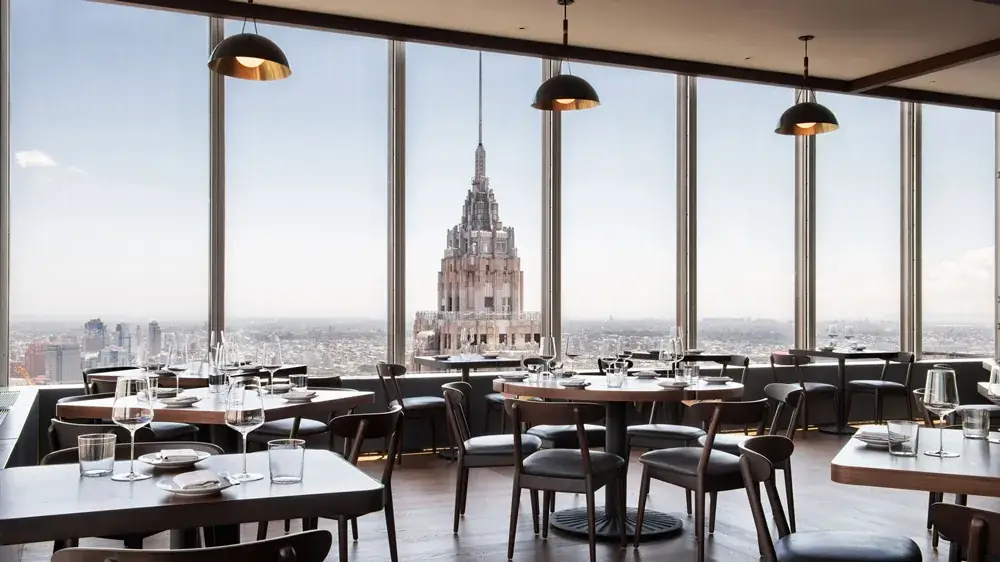
Scenario A: Closing a Technology Acquisition Deal
An executive leadership team hosts a final dinner to complete a major technology acquisition in New York City. The conversation involves confidential financial terms and proprietary software details.
Executing Secure Hospitality Protocols
The team reserves a soundproof private suite at a top Manhattan restaurant. Pre-selecting a fixed tasting menu eliminates menu interruptions during financial discussions. A master corporate account handles payment discreetly, allowing executives to focus on finalizing deal terms.
Scenario B: Hosting a Prospective Corporate Client
A regional sales director hosts four key client executives at a dinner in Chicago to secure a multi-year logistics contract. The dinner requires a comfortable atmosphere, good acoustics, and excellent service.
Managing Client Entertainment
The host reserves a spacious corner booth at a classic downtown steakhouse. Generous table spacing provides acoustic separation for business discussions. Working with the sommelier ensures excellent wine pairings, while pre-arranged billing ensures a seamless dinner experience.
Scenario C: Quarterly Corporate Board Dinner
A corporate secretary organizes a quarterly dinner for ten board members in San Francisco following an annual strategy meeting. The event requires high privacy, audio-visual presentation capabilities, and central transportation access.
Organizing Board Governance Dinners
The organizer books a private dining suite at a premier San Francisco city club. Built-in audio-visual equipment allows for a brief strategy presentation before dinner. Direct account billing simplifies expense processing and maintains high confidentiality.
Planning, Cost, and Resource Dynamics
Direct Meal Costs vs. Indirect Hospitality Expenses
Evaluating executive dining requires analyzing direct food and beverage charges alongside indirect operational expenses. Direct costs include food, wine, service charges, private room fees, and local dining taxes. Indirect costs include valet parking, event planning time, and ground transportation.
Managing Hidden Hospitality Fees
Food and beverage minimums, mandatory gratuities, and room rental fees can increase dinner bills significantly. Corporate event planners must review contract terms carefully to verify total costs before signing booking agreements.
Tools, Strategies, and Support Systems
Deploying modern executive hospitality strategies requires combining specialized venue sourcing tools, virtual payment platforms, and dietary management systems. Combining these tools ensures smooth dinner execution while maintaining expense visibility.
Specialized Private Venue Sourcing Platforms
Modern corporate event tools search private dining availability, room capacities, acoustic ratings, and minimum spend requirements across top restaurants. Centralized platforms streamline venue selection and contract management for event planners.
Virtual Credit Card Payment Systems
Virtual card management tools issue temporary credit card numbers for authorized hospitality expenses. Each virtual card includes set spend limits, merchant category locks, and automatic expiration dates.
Improving Financial Control and Discretion
Using virtual credit cards prevents card fraud and simplifies invoice reconciliation for accounting teams. Automated card processing allows hosts to conclude dinners discreetly without handling physical cards at the table.
Guest Dietary Profile Systems
Tracking executive dietary preferences, allergies, and wine preferences in secure databases ensures custom menus meet guest needs seamlessly across all corporate dinners.
Automated ERP Accounting Connectors
ERP connectors transfer approved dining invoices directly into corporate accounting software in real time. Automatically assigning charges to correct general ledger accounts and cost centers speeds up monthly financial closes.
Risk Landscape and Failure Modes
Executive Dining Risk Taxonomy
Managing executive hospitality requires identifying potential service disruptions, privacy breaches, financial overruns, and dietary safety failures. Loud dining rooms, intrusive staff, or unmanaged dietary needs can ruin important business dinners.
Protecting Conversation Privacy
Eavesdropping risks occur when tables are placed too close together in busy main dining rooms. Selecting private suites or corner booths with acoustic dampening protects sensitive corporate discussions.
Preventing Service and Kitchen Disruptions
Service delays disrupt dinner timing and meeting flow during business discussions. Working with venue managers beforehand to set meal pacing ensures courses are served smoothly.
Managing Financial Spending Controls
Uncapped wine orders and unexpected room fees can push dinner expenses past corporate policy limits. Pre-selecting wines with the sommelier and setting clear spend caps prevents billing surprises.
Cascading Systemic Failure Patterns
Unaddressed venue issues can escalate quickly, disrupting business meetings and damaging client relationships.
Mitigating Hospitality Risks
A poor venue choice can cause distractions, awkward delays, or health issues that ruin an important business meeting. Vetting venues thoroughly and managing dinner details in advance eliminates these operational risks.
Governance, Maintenance, and Long-Term Adaptation
Effective corporate hospitality governance requires regular policy reviews, venue contract audits, and clear spending controls. Static dining guidelines become outdated quickly as restaurant markets change and corporate needs evolve.
Establishing Ongoing Governance Routines
Establishing structured governance routines ensures hospitality policies remain realistic and cost-effective over time. Event planners should review per-person dining caps quarterly, adjusting limits to reflect market inflation. Annual venue audits help identify reliable preferred restaurants across key business cities.
Measurement, Tracking, and Evaluation
Evaluating executive dining performance requires tracking leading operational metrics alongside lagging financial indicators. Relying exclusively on end-of-month expense reports prevents managers from catching cost inflation or service issues early.
Monitoring Leading Indicators
Leading indicators provide early signals regarding policy compliance and venue performance. Tracking the percentage of dinners held at pre-vetted venues helps forecast overall hospitality spending. High host feedback ratings reflect venues that support productive business discussions.
Analyzing Lagging Metrics
Lagging metrics measure historical financial performance and expense control. Tracking total dining spend by department, average per-person costs, and receipt processing speed helps evaluate program efficiency. Comparing these metrics across corporate divisions highlights best practices and uncovers hidden cost drivers.
Combining Qualitative and Quantitative Insights
Combining quantitative expense data with qualitative host feedback provides an accurate picture of program health. High satisfaction scores show that chosen venues support business goals without excessive costs. Conversely, low satisfaction indicates that venue selection guidelines need adjusting.
Common Misconceptions and Oversimplifications
Myth 1: Most Expensive Restaurant Guarantees Best Executive Experience
Selecting a restaurant based solely on high menu prices often leads to noisy dining rooms and intrusive service. True executive dining quality depends on acoustic privacy, discreet service, and reliable meal pacing.
Myth 2: Michelin-Starred Restaurants Are Always Ideal for Business Dinners
While Michelin-starred restaurants offer exceptional food, complex tasting menus and long explanations can disrupt business discussions. Private suites or classic steakhouses often support business conversations much better.
Myth 3: Private Dining Rooms Are Only Needed for Large Groups
Private suites provide vital acoustic isolation and confidentiality for small executive meetings of four to six people. Soundproof rooms protect sensitive financial and acquisition discussions regardless of group size.
Myth 4: Corporate Credit Cards Are Sufficient for Dinner Payments
Handling physical credit cards at the end of a dinner can interrupt conversation and cause awkward delays. Setting up master billing accounts or virtual card payments allows hosts to conclude dinners seamlessly.
Ethical, Practical, and Environmental Considerations
Promoting Sustainable Executive Hospitality
Integrating sustainable practices into corporate dining planning has become a priority for modern enterprise organizations. Leading restaurants across the United States are adopting eco-friendly operational practices to reduce environmental impacts.
Supporting Responsible Venue Choices
Modern executive venues highlight organic ingredients, sustainable seafood, and zero-waste kitchen practices. Partnering with eco-conscious restaurants helps companies achieve broader corporate social responsibility goals.
Balancing Hospitality Expense with Corporate Governance
Ethical travel and hospitality management balances appropriate client entertainment with clear fiscal discipline. Excessive spending on luxury dining can raise governance concerns and violate corporate ethics policies. Well-designed dining guidelines set reasonable spending limits while providing appropriate hospitality for key business relationships.
Conclusion
Selecting the best executive dining spots united states requires combining strategic planning, spatial privacy standards, modern payment tools, and clear spending controls. Moving away from casual venue choices transforms corporate dining into an effective, high-return enterprise function.
Successful corporate hospitality programs balance expense discipline with guest comfort, discreet service, and conversational privacy. Organizations that review venue choices regularly, set clear spend guardrails, and manage dinner details in advance protect corporate budgets while building strong business relationships.
Executive hospitality management requires ongoing refinement as dining markets, venue concepts, and corporate needs change. Business leaders who treat dining selection as an essential strategic focus ensure their corporate dinners remain secure, professional, and productive nationwide.